

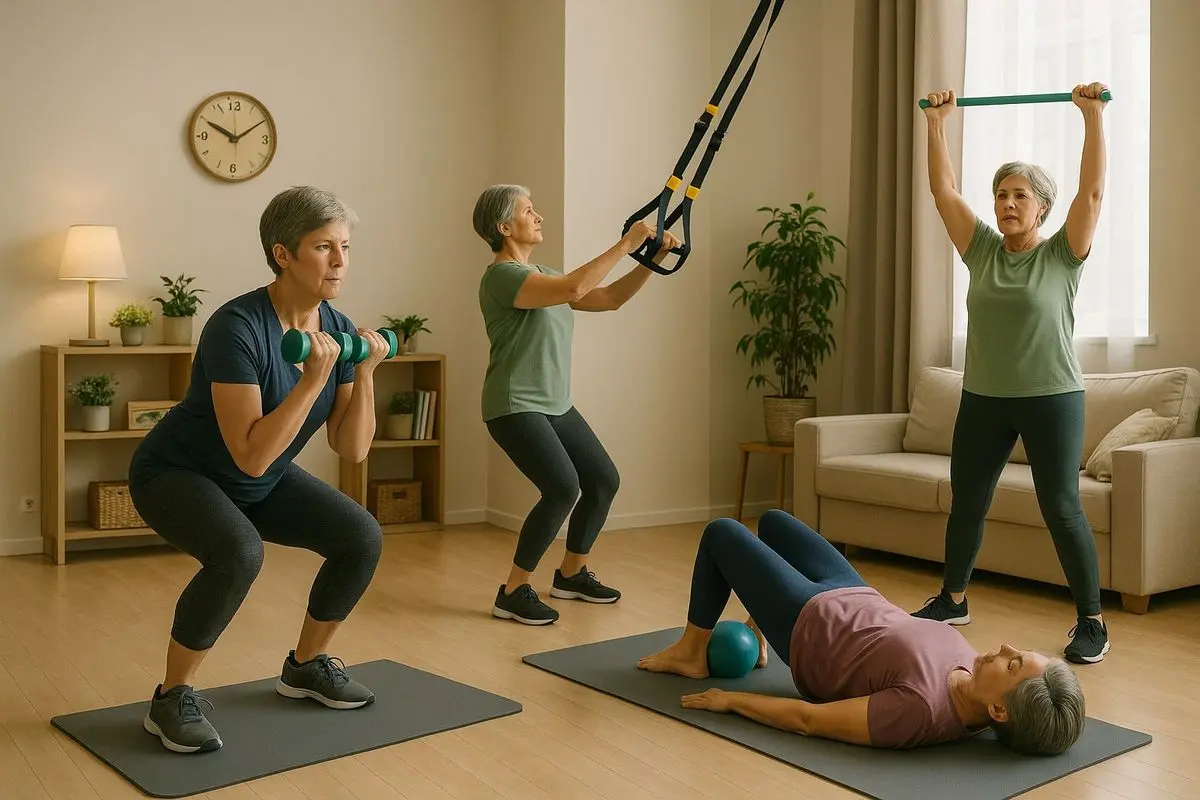
Introduction
Starting a beginner fitness routine at home can feel overwhelming at first, especially if you are unsure where to begin. Many people believe that fitness requires expensive gym memberships or complex equipment. However, the truth is that you can achieve excellent results right from your home with the right plan and consistency.
A beginner fitness routine at home is perfect for those who want flexibility, privacy, and a cost-effective way to improve their health. Whether your goal is weight loss, muscle gain, or simply staying active, home workouts provide a practical solution. You don’t need much space or fancy tools. Your body weight, a little motivation, and a structured routine are enough to get started.
Moreover, building a habit of regular exercise is more important than intensity in the beginning. Small, consistent steps lead to long-term success. By following a proper beginner fitness routine at home, you can gradually improve your strength, endurance, and overall well-being.
What is Beginner Fitness Routine at Home?
A beginner fitness routine at home is a structured exercise plan designed specifically for people who are new to working out. It focuses on simple, easy-to-follow exercises that can be performed without professional equipment.
This type of routine usually includes a mix of bodyweight exercises, light cardio, and flexibility training. The main goal is to help beginners build strength, improve stamina, and develop consistency without overwhelming their bodies.
For example, exercises like squats, push-ups, lunges, and planks are commonly included. These movements target multiple muscle groups and are effective for building a solid fitness base.
Unlike advanced workout programs, a beginner fitness routine at home emphasizes proper form and gradual progress. It allows individuals to understand their body, avoid injuries, and gain confidence in their fitness journey.
Why is Beginner Fitness Routine at Home Important?
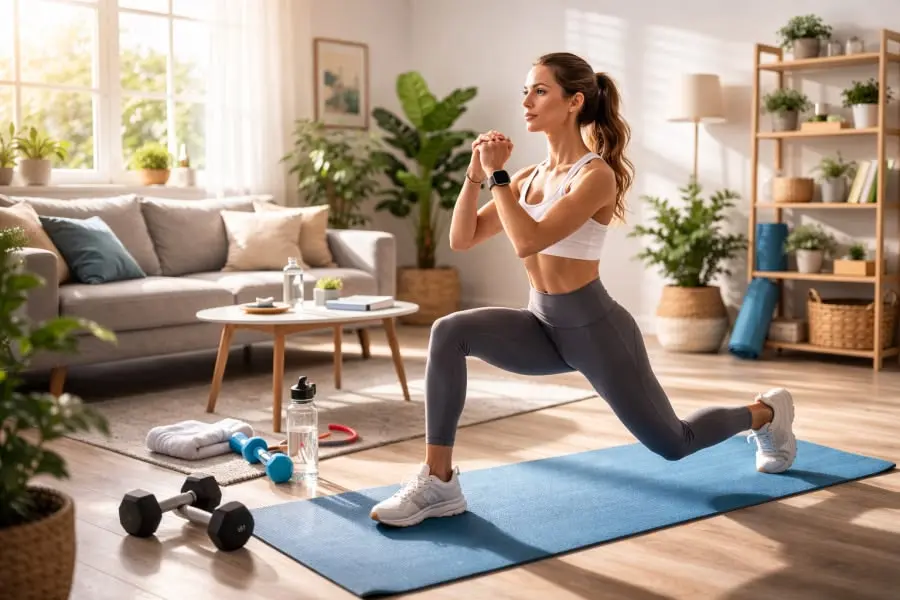
A beginner fitness routine at home plays a crucial role in building a healthy lifestyle. It provides an accessible way for anyone to start exercising without barriers such as time, cost, or location.
First, it helps in developing a consistent habit. When workouts are convenient, you are more likely to stick to them. This consistency is key to achieving long-term fitness goals.
Second, it improves overall health. Regular exercise boosts heart health, strengthens muscles, and enhances mental well-being. Even a simple beginner fitness routine at home can reduce stress and increase energy levels.
Additionally, it builds confidence. As beginners notice improvements in their strength and endurance, they feel more motivated to continue. This positive reinforcement makes fitness a sustainable part of daily life.
Lastly, it reduces the risk of injuries. Starting with simple exercises allows the body to adapt gradually, preventing strain and overexertion.
Detailed Step-by-Step Guide
Step 1: Set Clear Goals
Before starting your beginner fitness routine at home, define what you want to achieve. Your goal could be weight loss, muscle toning, or improved stamina.
Clear goals help you stay focused and measure progress. For example, instead of saying “I want to get fit,” aim for “I will work out 4 times a week.”
Step 2: Create a Weekly Schedule
Consistency is essential. Plan your workouts in advance and stick to a schedule.
A simple weekly plan could look like this:
- Monday: Full body workout
- Tuesday: Rest or light cardio
- Wednesday: Strength training
- Thursday: Rest
- Friday: Cardio + core
- Saturday: Light workout
- Sunday: Rest
This structure keeps your beginner fitness routine at home balanced.
Step 3: Start with Warm-Up
Always begin with a warm-up to prepare your body. This reduces the risk of injury and improves performance.
Examples of warm-up exercises:
- Jumping jacks
- Arm circles
- Light jogging in place
Spend at least 5–10 minutes warming up before every session.
Step 4: Follow Basic Exercises
Focus on simple movements that target the whole body.
Beginner workout routine:
- Squats: 10–15 reps
- Push-ups: 5–10 reps
- Lunges: 10 reps per leg
- Plank: 20–30 seconds
- Glute bridges: 10–15 reps
Repeat this circuit 2–3 times depending on your fitness level.
Step 5: Add Cardio
Cardio is important for heart health and fat loss. Include it in your beginner fitness routine at home.
Simple cardio exercises:
- Jump rope
- High knees
- Marching in place
Start with 10–15 minutes and gradually increase duration.
Step 6: Cool Down and Stretch
After your workout, cool down your body with stretching. This helps in muscle recovery and flexibility.
Hold each stretch for 15–20 seconds and focus on major muscle groups.
Step 7: Track Your Progress
Keep a record of your workouts. Note the number of reps, sets, and duration.
Tracking progress keeps you motivated and shows improvement over time.
Benefits of Beginner Fitness Routine at Home
- Improves overall physical health
- Helps in weight management
- Builds strength and endurance
- Enhances mental well-being
- Saves time and money
- Offers flexibility in schedule
- Increases energy levels
- Encourages consistency
Disadvantages / Risks
- Lack of proper guidance can lead to mistakes
- Limited equipment may restrict advanced progress
- Motivation can decrease without accountability
- Risk of improper form and injury
- Distractions at home may affect consistency
Common Mistakes to Avoid
One common mistake is doing too much too soon. Beginners often try intense workouts, which leads to burnout or injury. It is better to start slow and gradually increase intensity.
Another mistake is ignoring proper form. Performing exercises incorrectly reduces effectiveness and increases the risk of injury. Focus on technique rather than speed.
Skipping warm-up and cool-down is also a frequent issue. These steps are essential for preventing injuries and aiding recovery.
Inconsistency is another major problem. Following a beginner fitness routine at home only occasionally will not produce results. Stick to your schedule for better outcomes.
FAQs
1. How often should I follow a beginner fitness routine at home?
You should aim for at least 3–5 days per week. Consistency is more important than intensity, so choose a schedule that you can maintain long-term.
2. Do I need equipment for a beginner fitness routine at home?
No, you can start with bodyweight exercises. However, basic equipment like resistance bands or dumbbells can enhance your routine later.
3. How long should each workout session be?
A typical session can last 20–40 minutes. As you progress, you can increase the duration based on your fitness level.
4. Can I lose weight with a beginner fitness routine at home?
Yes, combining regular workouts with a balanced diet can help you lose weight effectively.
5. What should I eat before and after workouts?
Before workouts, eat light meals like fruits or yogurt. After workouts, focus on protein and healthy carbs to support recovery.
6. How long does it take to see results?
You may start noticing changes within 3–4 weeks. Visible results depend on consistency, diet, and effort.
Expert Tips & Bonus Points
Start small and build gradually. This approach helps you stay consistent without feeling overwhelmed.
Focus on quality over quantity. Proper form is more important than doing many repetitions.
Stay hydrated throughout the day. Water plays a key role in performance and recovery.
Mix up your routine to avoid boredom. Try different exercises to keep your workouts interesting.
Listen to your body. If you feel pain or extreme fatigue, take a rest day.
Set realistic milestones. Celebrating small achievements keeps you motivated.
Create a dedicated workout space at home. This helps you stay focused and disciplined.
Conclusion
A beginner fitness routine at home is one of the most practical and effective ways to start your fitness journey. It removes common barriers like cost, time, and access to gyms, making it easier for anyone to begin.
The key to success lies in consistency, patience, and proper planning. By following a structured routine, setting realistic goals, and focusing on gradual progress, you can achieve lasting results. Remember that fitness is not about perfection but about making steady improvement over time.
Additionally, understanding your body and listening to its needs will help you avoid injuries and stay motivated. A beginner fitness routine at home allows you to build confidence while improving your physical and mental health.
