


Introduction
In today’s fast-paced world, finding time to eat healthy can feel like a challenge. Between work, family responsibilities, and daily stress, many people turn to quick and unhealthy food options. However, healthy meal planning for busy people is a practical solution that helps maintain a balanced diet without adding extra pressure to your routine. It allows you to stay organized, save time, and make better food choices.
Healthy meal planning for busy people is not about strict dieting or complicated recipes. Instead, it focuses on preparing simple, nutritious meals in advance so you always have something healthy to eat. With a little effort and consistency, you can transform your eating habits and improve your overall well-being.
Moreover, meal planning helps reduce food waste and saves money. When you know exactly what to buy and cook, you avoid unnecessary purchases and last-minute takeout orders. This approach is especially helpful for beginners who want to build healthier habits step by step.
What is Healthy Meal Planning for Busy People?
Healthy meal planning for busy people is the process of organizing and preparing meals in advance to ensure a balanced and nutritious diet despite a busy schedule. It involves selecting recipes, creating grocery lists, and preparing ingredients or full meals ahead of time.
Instead of deciding what to eat at the last minute, you plan your meals for the week or a few days. This reduces stress and helps you avoid unhealthy food choices. For example, you can prepare breakfast overnight, cook lunch in batches, and portion out dinners for the week.
This method does not require professional cooking skills. Anyone can start with simple meals like grilled chicken, rice, vegetables, or salads. Over time, you can experiment with different recipes and ingredients.
Healthy meal planning for busy people also focuses on balance. It includes proteins, carbohydrates, healthy fats, and essential nutrients. This ensures your body gets everything it needs to function properly.
Why is Healthy Meal Planning for Busy People Important?
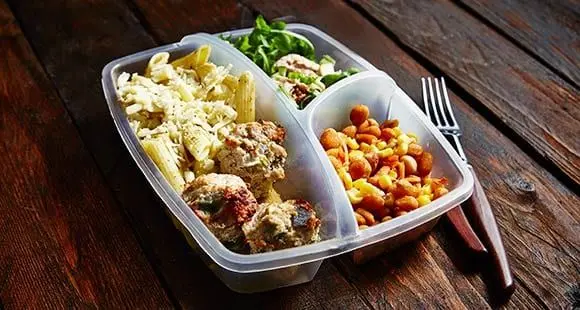
Healthy meal planning for busy people is important because it directly impacts your health, energy levels, and productivity. When you plan your meals, you make conscious choices about what you eat.
First, it helps you avoid unhealthy eating habits. Busy schedules often lead to fast food or processed snacks. Meal planning ensures you always have healthier options available.
Second, it saves time. Instead of cooking every day, you can prepare meals in batches. This reduces daily cooking stress and gives you more free time.
Third, it supports better nutrition. When you plan meals, you include a variety of foods, ensuring a balanced diet. This improves overall health and prevents nutrient deficiencies.
Additionally, healthy meal planning for busy people helps manage weight. By controlling portion sizes and ingredients, you can maintain a healthy lifestyle without strict dieting.
Detailed Step-by-Step Guide
Step 1: Set Your Goals
Start by defining your goals. Do you want to lose weight, save time, or eat healthier? Clear goals help you plan better meals.
For example, if your goal is weight loss, focus on low-calorie and high-protein meals. If you want convenience, choose simple recipes with fewer ingredients.
Step 2: Plan Your Weekly Menu
Create a weekly meal plan. Decide what you will eat for breakfast, lunch, dinner, and snacks.
Keep your schedule in mind. If you have busy days, plan quick meals or leftovers. For less busy days, you can cook fresh meals.
Step 3: Make a Grocery List
Write down all the ingredients you need. This prevents unnecessary shopping and ensures you have everything required.
Organize your list by categories such as vegetables, proteins, grains, and dairy. This makes shopping faster and more efficient.
Step 4: Choose Simple Recipes
Select easy recipes that do not take much time. Healthy meal planning for busy people works best with simple dishes.
Examples include:
- Grilled chicken with vegetables
- Rice and beans
- Pasta with tomato sauce
- Smoothies and salads
Step 5: Prepare Ingredients in Advance
Wash, chop, and store ingredients ahead of time. This saves cooking time during the week.
For instance, cut vegetables, marinate meat, and cook grains like rice or quinoa in advance.
Step 6: Cook in Batches
Batch cooking is a key part of healthy meal planning for busy people. Prepare large portions and divide them into smaller servings.
Store meals in containers for easy access. This way, you only need to reheat your food.
Step 7: Store Meals Properly
Use airtight containers to keep food fresh. Label meals with dates to avoid spoilage.
Store some meals in the refrigerator and freeze others for later use.
Step 8: Stay Flexible
While planning is important, flexibility is also necessary. Sometimes plans change, so keep backup options like healthy snacks or quick meals.
Benefits of Healthy Meal Planning for Busy People
- Saves time by reducing daily cooking
- Helps maintain a balanced diet
- Reduces stress and decision-making
- Saves money by avoiding unnecessary purchases
- Supports weight management
- Improves energy levels and productivity
- Reduces food waste
- Encourages healthier eating habits
Disadvantages / Risks
- Requires initial time and effort
- Can feel repetitive if meals are not varied
- Needs proper storage to avoid food spoilage
- May require planning skills for beginners
- Risk of losing motivation over time
Common Mistakes to Avoid
One common mistake is overcomplicating meals. Many beginners choose complex recipes, which makes meal planning stressful. Instead, keep meals simple and manageable.
Another mistake is not planning enough variety. Eating the same meal every day can become boring. Include different ingredients and flavors to keep things interesting.
Skipping preparation is also a problem. Without prepping ingredients, cooking becomes time-consuming. Always prepare in advance to save time.
Some people forget portion control. Even healthy meals can lead to weight gain if eaten in large quantities.
FAQs
1. How often should I plan my meals?
You can plan your meals weekly or bi-weekly. Weekly planning is more flexible and easier for beginners.
2. Is meal planning expensive?
No, healthy meal planning for busy people actually saves money. Buying in bulk and avoiding takeout reduces overall expenses.
3. Can I plan meals without cooking skills?
Yes, you can start with simple recipes like salads, sandwiches, and basic cooked meals. Cooking skills improve over time.
4. How long do prepared meals last?
Most meals last 3–5 days in the refrigerator. Frozen meals can last several weeks if stored properly.
5. What foods are best for meal planning?
Foods like rice, chicken, vegetables, beans, and pasta are great for meal planning because they are easy to cook and store.
6. How do I stay motivated?
Set realistic goals and start small. Gradually build your routine and try new recipes to keep things interesting.
Expert Tips & Bonus Points
Start small instead of planning an entire week at once. Begin with two or three days and expand gradually.
Use versatile ingredients like chicken, rice, and vegetables. These can be used in multiple dishes.
Invest in good storage containers. This keeps your meals fresh and organized.
Prepare snacks as well. Healthy snacks prevent you from reaching for unhealthy options.
Keep a list of quick recipes for busy days. This helps maintain consistency.
Track your progress. Notice how meal planning improves your energy and health.
Conclusion
Healthy meal planning for busy people is a powerful tool that simplifies life and promotes better eating habits. It allows you to stay organized, save time, and enjoy nutritious meals without stress. By planning ahead, you can avoid unhealthy food choices and maintain a balanced diet.
Although it may require some effort in the beginning, the long-term benefits make it worthwhile. From saving money to improving health, meal planning offers multiple advantages. It also helps build discipline and consistency in your daily routine.
The key to success is starting simple and staying consistent. Focus on easy recipes, prepare ingredient in advance, and gradually improve your planning skills. Remember, perfection is not necessary. Even small steps can lead to significant changes.
