

Introduction
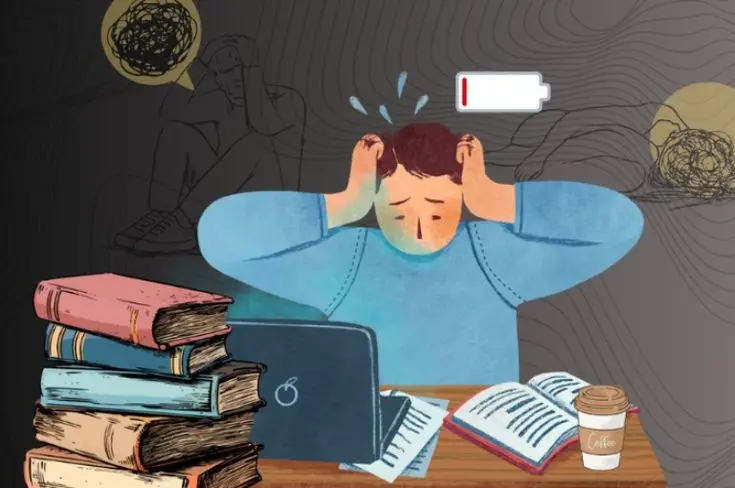
Stress is something every person experiences in life, whether it comes from work pressure, studies, financial problems, relationships, or daily responsibilities. In small amounts, stress can actually help you stay focused and motivated, but when it becomes constant, it starts affecting both your mental and physical health. That is why learning how to manage stress in a healthy way is extremely important for a balanced and peaceful life. Many people try to ignore stress or escape it, but that usually makes the problem worse over time. Instead, the right approach is to understand stress, identify its causes, and use healthy methods to control it before it takes over your life.
In today’s fast-moving world, stress has become more common than ever. People often feel overwhelmed due to busy schedules, lack of sleep, and constant pressure to perform. The good news is that stress is manageable if you follow the right techniques consistently. From simple breathing exercises to lifestyle changes, there are many practical ways to reduce stress and improve your mental well-being. In this article, you will learn everything step by step about stress management, including its importance, benefits, risks, common mistakes, and expert tips that can help you live a calmer and healthier life.
What is Stress Management?
Stress management refers to the set of techniques and strategies used to control and reduce stress in a healthy and effective way. It involves identifying the sources of stress in your life and taking active steps to handle them instead of letting them control your emotions and behavior. Stress management does not mean eliminating stress completely because that is not possible. Instead, it focuses on maintaining a balance so that stress does not negatively impact your mental, emotional, or physical health.
When you manage stress properly, you improve your ability to think clearly, make better decisions, and stay calm even in difficult situations. It includes practices like exercise, meditation, proper sleep, time management, and healthy eating habits. These small but powerful changes help your body and mind cope with pressure more effectively. Over time, stress management becomes a lifestyle that supports long-term well-being.
Why is Stress Management Important?
Stress management is important because uncontrolled stress can seriously affect your health and daily life. When stress builds up, it can lead to problems such as anxiety, depression, high blood pressure, headaches, and sleep disorders. It can also reduce your productivity and affect your relationships with others.
One of the main reasons stress management is important is that it helps maintain emotional balance. When you are less stressed, you feel more positive, focused, and in control of your life. It also improves your physical health by lowering the risk of stress-related diseases.
Another important reason is better decision-making. Stress often clouds judgment, leading to poor choices. With proper stress management, you can think more clearly and handle situations calmly. Overall, it helps you live a healthier, happier, and more productive life.
Detailed Step-by-Step Guide to Manage Stress
1. Identify the Source of Stress
The first step in managing stress is understanding what is causing it. Stress can come from work pressure, family issues, financial struggles, or even personal expectations. Once you identify the source, it becomes easier to find a solution.
Try writing down the things that make you feel stressed. This simple habit helps you understand patterns and triggers in your life.
2. Practice Deep Breathing and Relaxation
Breathing exercises are one of the fastest ways to reduce stress. Deep breathing helps slow your heart rate and relax your mind.
Take slow breaths in through your nose, hold for a few seconds, and then exhale slowly. Repeat this for a few minutes daily, especially during stressful situations. This practice calms your nervous system and improves focus.
3. Maintain a Healthy Routine
A balanced routine plays a big role in stress management. Wake up and sleep at consistent times, eat healthy meals, and include time for relaxation in your daily schedule.
Avoid skipping meals or staying up late, as these habits increase stress levels and reduce energy.
4. Exercise Regularly
Physical activity is one of the most effective ways to reduce stress. Exercise releases endorphins, which are natural mood boosters.
You don’t need intense workouts. Even walking, jogging, yoga, or light stretching for 20–30 minutes daily can significantly reduce stress levels.
5. Improve Time Management
Poor time management often leads to unnecessary stress. Plan your day in advance and prioritize important tasks.
Use simple to-do lists and break large tasks into smaller steps. This makes work feel more manageable and reduces pressure.
6. Reduce Digital Overload
Excessive use of social media and screens can increase stress and anxiety. Try limiting your screen time and take regular breaks from digital devices.
Spend more time in real-world activities like reading, walking, or talking to family and friends.
7. Talk to Someone You Trust
Sharing your feelings with someone you trust can greatly reduce stress. Talking helps release emotional pressure and gives you new perspectives on your problems.
It can be a friend, family member, or even a professional counselor.
Benefits of Stress Management
- Improves mental clarity and focus
- Enhances emotional stability
- Boosts physical health and immunity
- Increases productivity and efficiency
- Improves sleep quality
- Strengthens relationships
- Reduces risk of anxiety and depression
- Helps maintain a positive mindset
Disadvantages / Risks of Ignoring Stress
- Increased risk of chronic diseases
- Poor mental health and anxiety issues
- Low energy and constant fatigue
- Sleep disorders
- Reduced work performance
- Negative impact on relationships
- Loss of motivation and confidence
Common Mistakes to Avoid
One common mistake is ignoring stress and hoping it will go away on its own. Stress usually builds up over time if not managed properly.
Another mistake is relying on unhealthy coping methods like overeating, smoking, or excessive screen time. These may provide temporary relief but worsen the problem in the long run.
Many people also avoid asking for help, which can make stress feel more overwhelming. It is important to seek support when needed instead of handling everything alone.
FAQs
1. What is the easiest way to reduce stress quickly?
Deep breathing is one of the fastest and easiest ways to reduce stress. It calms the nervous system and helps you relax within minutes.
2. Can exercise really reduce stress?
Yes, regular exercise releases endorphins, which naturally improve mood and reduce stress levels.
3. How does sleep affect stress?
Poor sleep increases stress levels, while good sleep helps your mind and body recover and stay balanced.
4. Is stress always harmful?
No, small amounts of stress can be helpful as they keep you alert and motivated. However, long-term stress is harmful.
5. Can diet affect stress levels?
Yes, a healthy diet supports brain function and energy levels, helping you manage stress more effectively.
6. When should I seek professional help for stress?
If stress starts affecting your daily life, relationships, or health, it is important to consult a professional.
Expert Tips & Bonus Points
Experts recommend combining multiple stress management techniques for better results. For example, you can combine exercise with meditation and good sleep habits for maximum benefit.
Another useful tip is practicing gratitude. Writing down things you are thankful for can shift your focus from stress to positivity.
It is also important to take regular breaks during work. Short breaks help refresh your mind and improve productivity.
Lastly, avoid multitasking too much, as it often increases stress and reduces efficiency.
Conclusion
Stress is a natural part of life, but how you handle it makes all the difference. Learning how to manage stress in a healthy way is essential for maintaining both mental and physical well-being. When stress is managed properly, it does not control your life; instead, you control it.
By following simple habits like exercise, proper sleep, time management, and relaxation techniques, you can significantly reduce stress levels. The key is consistency. Small daily actions can lead to big improvements over time.
Remember, stress management is not a one-time solution but a lifelong practice. The more you focus on building healthy habits, the more balanced and peaceful your life becomes.
